
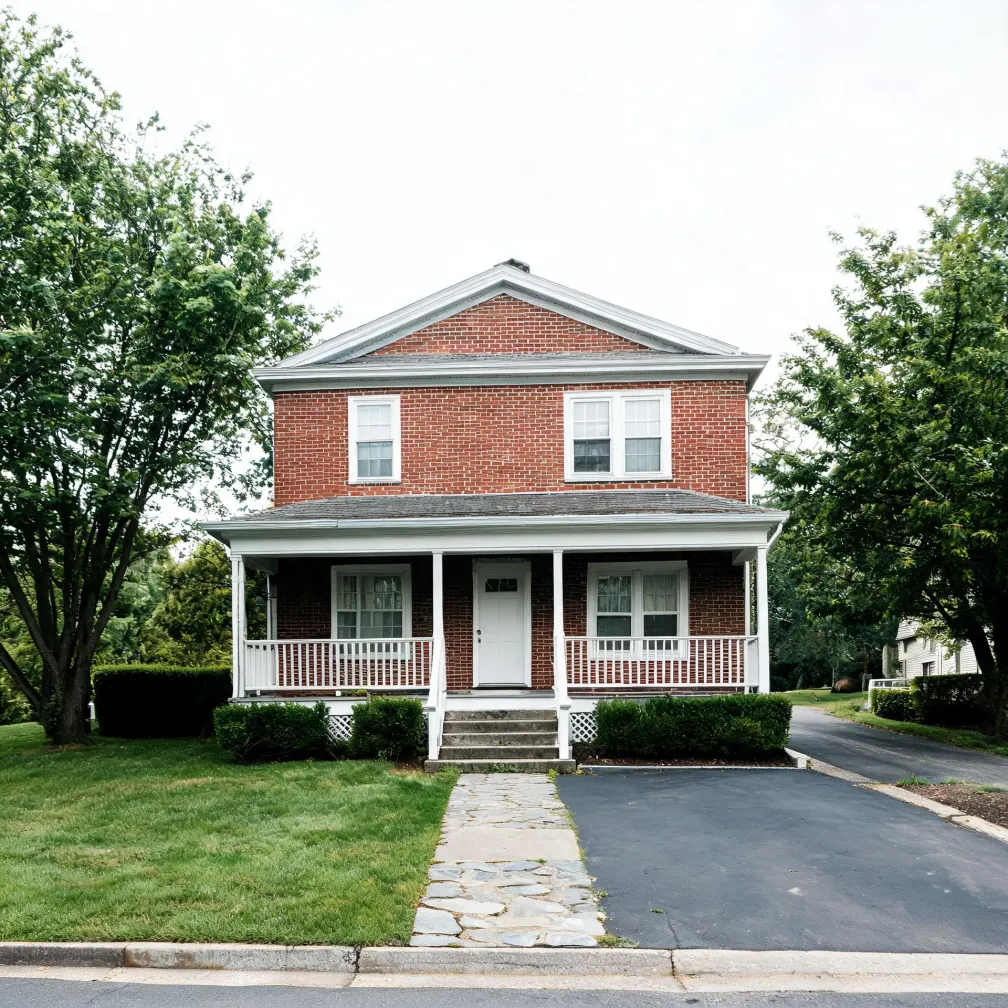
What Rhode Island homes are up against.
NOAA National Centers for Environmental Information, Storm Events Database, bulk CSV export, events 2015-01-01 through 2024-12-31. · U.S. Census Bureau, 2020-2024 American Community Survey 5-Year Estimates

A furnace or boiler here does not get much of a break. Homes in Rhode Island run heat about eight months a year, from October through May. That leaves the ignition system and the heat exchanger cycling on and off across most of the calendar, with only a short stretch in summer when nothing is asked of them at all. Short rest periods mean less time for a weak igniter or a cracked exchanger to sit idle and get caught before the next cold morning demands full output. A system that starts strong in October can still be worn down by the time May arrives.

A contractor cannot quote new equipment without opening up the house first. The ducts are already there. The panel is already there. Neither was sized with today's furnace or heat pump in mind, and neither gets a pass just because it looks fine from the basement stairs. Half the homes in Rhode Island were built in 1962 or earlier (2020-2024 ACS 5-year). That means a lot of what a contractor meets was built to carry whatever ran before it, and has to be measured against what is going in now. A load calculation and a look at the panel come before a number, not after it.
Does Rhode Island weather add strain on your HVAC system?
2015–2024 · Source: NOAA National Centers for Environmental Information, Storm Events Database.
A county with a heavier storm record puts more demand on the equipment sitting outside your home. Wind can rock a condenser on its pad, heavy rain and flooding can reach electrical connections low to the ground, and hail can dent coils and fan housings. If your county sees more severe weather, have a contractor check where the outdoor unit sits, how well it is anchored, and whether the cabinet itself shows any damage.
Rhode Island requires HVAC contractors to hold a state license.
Licenses are issued by the Department of Labor and Training.
Source: Rhode Island General Assembly