
HVAC Repair in Westerly, RI
Homes here need heat from October through May and cooling from July through August. If your system quits, tell us what it's doing and a licensed contractor who covers Washington County will get in touch.
Tell us about the job
It takes about a minute.
Ten months a year of heat or cooling, in weather that swings hard
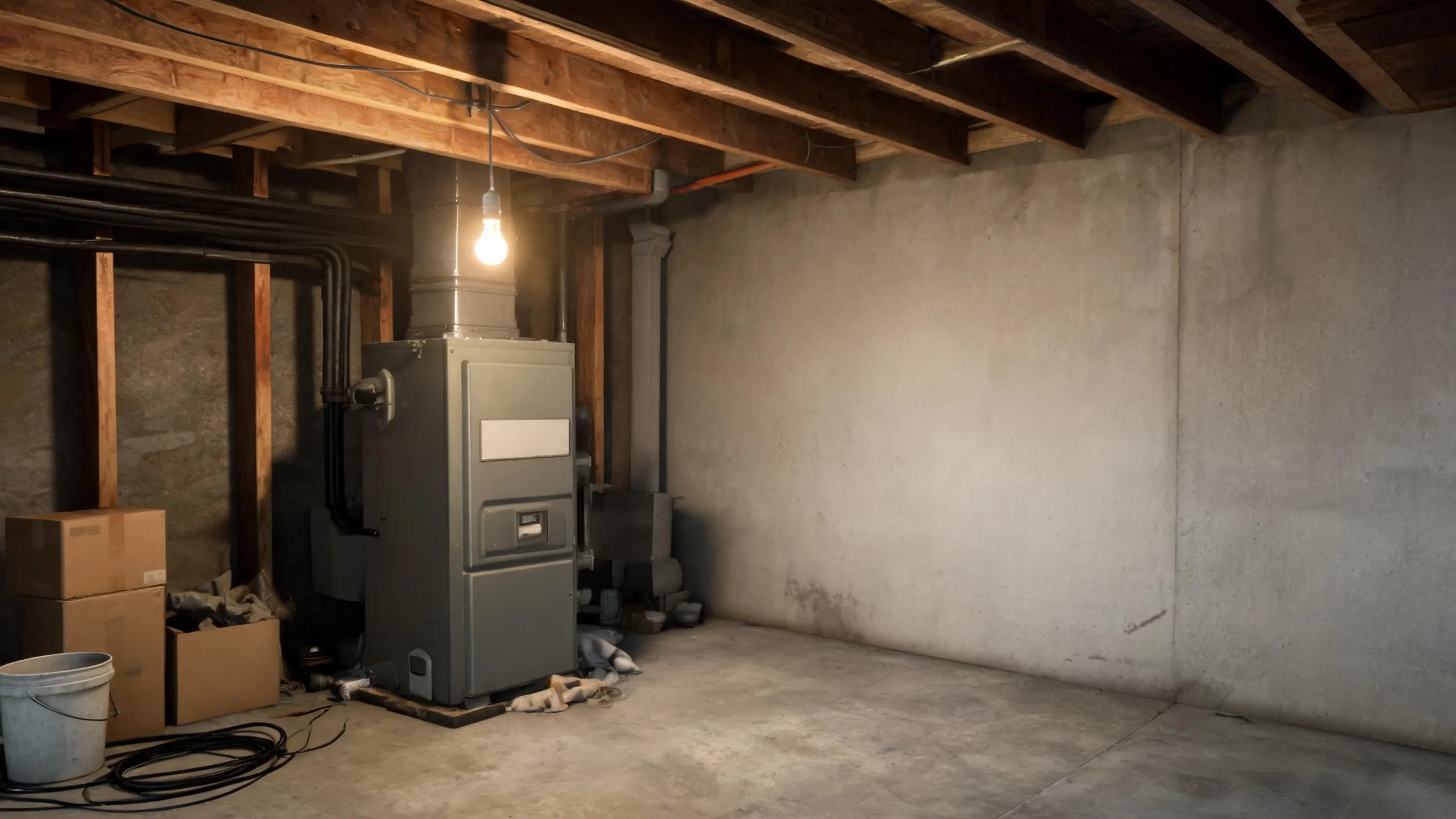
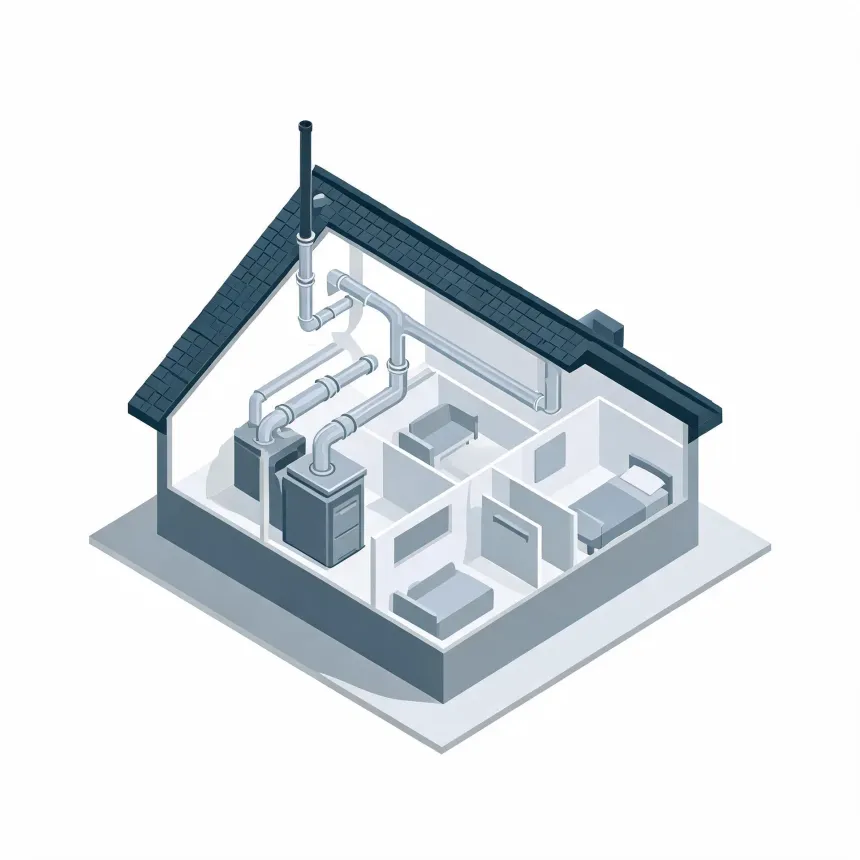
Your heating system runs from October through May here, and the air conditioner takes over in July and August. That leaves only a couple months where nothing in the house is running to keep you comfortable. Winter nights averaging 24°F mean the furnace or boiler cycles on and off for hours at a stretch, and each cycle puts wear on the igniter or the burner. In summer, afternoons near 79°F keep the air conditioner working to hold that temperature day after day.
A lot of homes here heat with fuel oil, and that system has its own parts to watch, the nozzle and the burner motor among them. This area has seen 31 winter storms and 111 damaging wind events over the past ten years, and wind like that can knock a branch into an outdoor unit or knock the power out. About 12% of Rhode Island households went without power for a full day or more last year, so it's worth knowing your system should come back on by itself once power returns. If it doesn't, something else needs a look.
- 8 months
- October through May, your system heats
- 2 months
- July through August, it cools
- 24°F
- the average winter night it heats against
- 79°F
- the average summer afternoon it cools against
NOAA nClimDiv, 1991–2020 normals
Rhode Island requires HVAC contractors to hold a state license.
The license comes from Rhode Island's Department of Labor and Training. It belongs to the contractor, not to any single job, so the state does not sign off on this particular repair before it happens.
For a heating and cooling repair, that license is what stands behind the work. It is the record the state holds of who this contractor is and that the state licensed them to do this kind of job.
Source: Rhode Island General Assembly
- Why is my heat not working?
- Start with the thermostat. Check that it's set to heat and the temperature is above room temperature, and check the batteries if it has a screen that looks dim. If the thermostat is fine, check the switch on the furnace itself and the breaker it runs on, since a tripped breaker will shut the whole system down. A furnace that runs on oil needs fuel in the tank, so if it's been a while since a delivery, that's worth a look too. If power, fuel and the thermostat all check out and you still have no heat, especially with nights running near 24°F, that points to something inside the furnace, like the igniter or a safety switch, and it's time to get a contractor to look at it.
- Why is my system running but not cooling the house?
- Check the air filter first. A filter clogged with dust blocks airflow across the coil, and when that happens the coil can freeze and stop cooling the air even though the system runs. Check the outdoor unit too. If the fan isn't spinning or the coil looks iced over or coated in debris, that's blocking the heat exchange it needs to work. If the filter is clean and the outdoor unit looks normal but the house still isn't cooling, the system is likely low on refrigerant or has a failing part, and that calls for a licensed contractor to diagnose.
- What can I check before calling for HVAC repair?
- Check the thermostat settings and batteries, the breaker for the system, and the air filter. These catch a surprising number of no-heat and no-cool calls. If your system runs on fuel oil, confirm there's fuel in the tank. If everything there looks right and the system still isn't heating or cooling, the problem is inside the equipment, and a licensed contractor will need to diagnose it. Rhode Island requires HVAC contractors to hold a state license, so ask for that before any repair work starts.