
Furnace Repair in Newport, RI
Furnaces here run from October through May. If yours quits, tell us what it's doing and a licensed contractor who covers Newport County will get in touch.
Tell us about the job
It takes about a minute.
Eight months of heat, and nights near 26 degrees
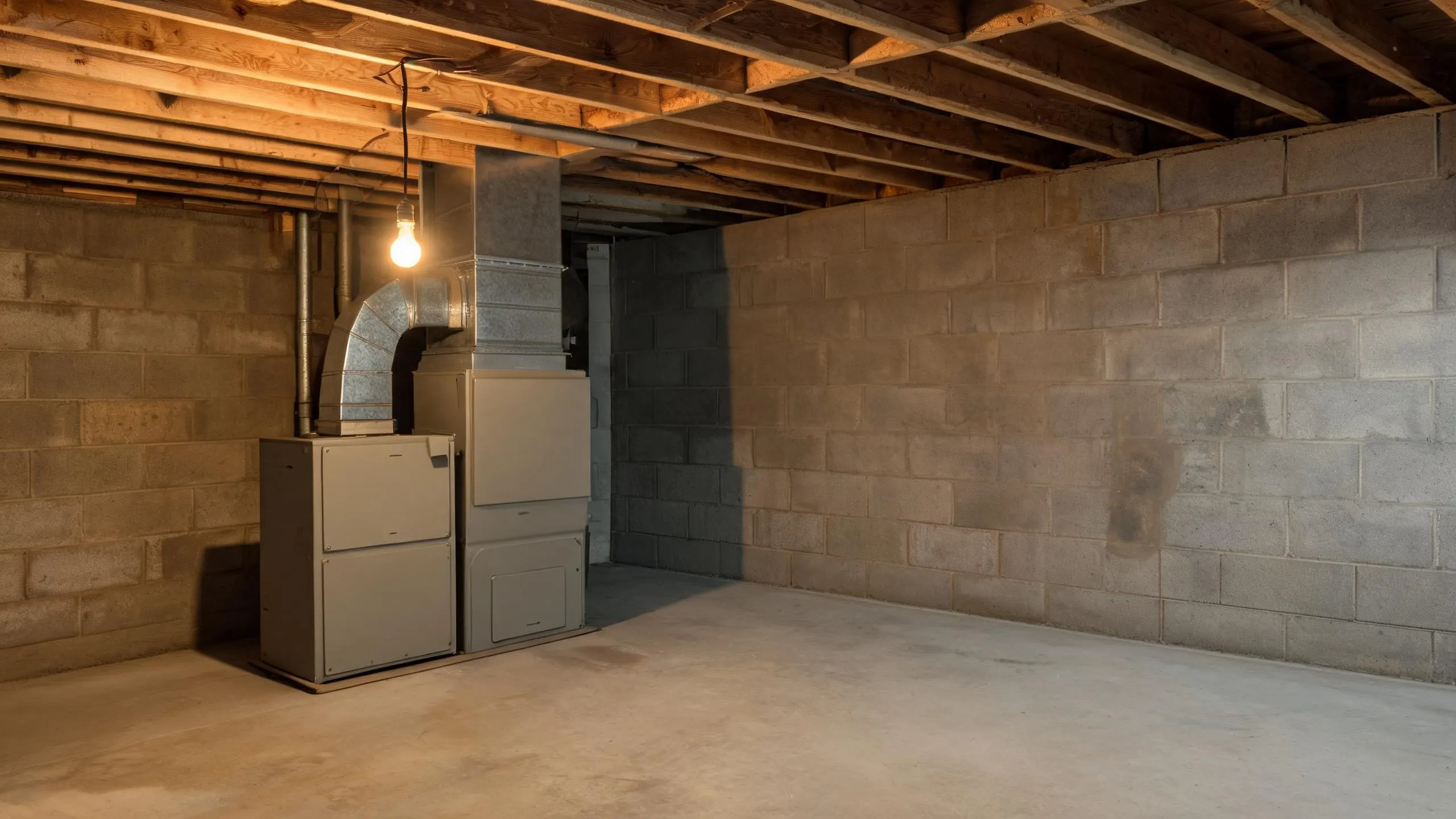
Newport County homes run their furnace from October through May. That is eight months of the burner cycling on and off, and on winter nights that average 26°F, it runs long and hard to keep up. 43.6% of homes here heat with fuel oil, and an oil furnace depends on a clean nozzle and a working igniter to light every single time. Skip a cycle and the house goes cold fast.
The last ten years brought 15 winter storms and 36 damaging wind events to the area, and in 2024, 12% of Rhode Island households lost power for a full day or more. A furnace with electronic ignition will not restart on its own once the power comes back, so a storm that knocks out power can leave you with no heat even after the lights are back on.
- 8 months
- October through May, your furnace is on duty
- 26°F
- the average winter night it heats against
- 15 winter storms
- in ten years, the nights a failure hurts most
NOAA nClimDiv, 1991–2020 normals
Rhode Island requires HVAC contractors to hold a state license.
Rhode Island's Department of Labor and Training tests and licenses HVAC contractors before they can take on work like this. The license belongs to the contractor, not to the individual job, so the same license covers every furnace they touch, not just this one.
For a furnace repair, that state license is what stands behind the person in your house. Furnace work often means handling a gas line, and the danger there is a bad connection, not a cosmetic flaw, so the same licensing that qualifies a contractor to do the job at all is what's checked before they're allowed near your gas furnace in the first place.
Source: Rhode Island General Assembly
- Why won't my furnace turn on?
- Most often it's the thermostat not calling for heat, a tripped breaker, or a switch that got bumped off. Check the thermostat batteries first and make sure it's set below room temperature. If the furnace still won't respond, the igniter may have failed or a safety switch is holding the system off, and a licensed contractor will need to check it. With winter lows here averaging 26°F, it's worth getting this looked at quickly rather than waiting.
- Why is my furnace blowing cold air?
- The furnace usually starts blowing before the burners fully light, so a few seconds of cool air at startup is normal. If it keeps blowing air that never warms up, the igniter or the flame sensor is likely the problem. It could also mean the gas valve isn't opening or the burners aren't lighting at all. A contractor licensed by the state can find which part has failed.
- Why won't my furnace pilot light stay lit?
- A pilot light that won't stay lit is usually the thermocouple, the safety sensor that shuts off gas flow if it doesn't sense the flame. If the thermocouple has worn out or sits out of position, it reads no flame even when there is one, and the gas shuts off. A draft blowing into the pilot area can cause the same thing. Either way, this is a repair for a licensed HVAC contractor, since it involves the gas supply.