
Mini Split Installation in Warwick, RI
A new system here will heat from October through May and cool from July through August every year. Tell us about the house, and a licensed contractor who covers Kent County will get in touch.
Tell us about the job
It takes about a minute.
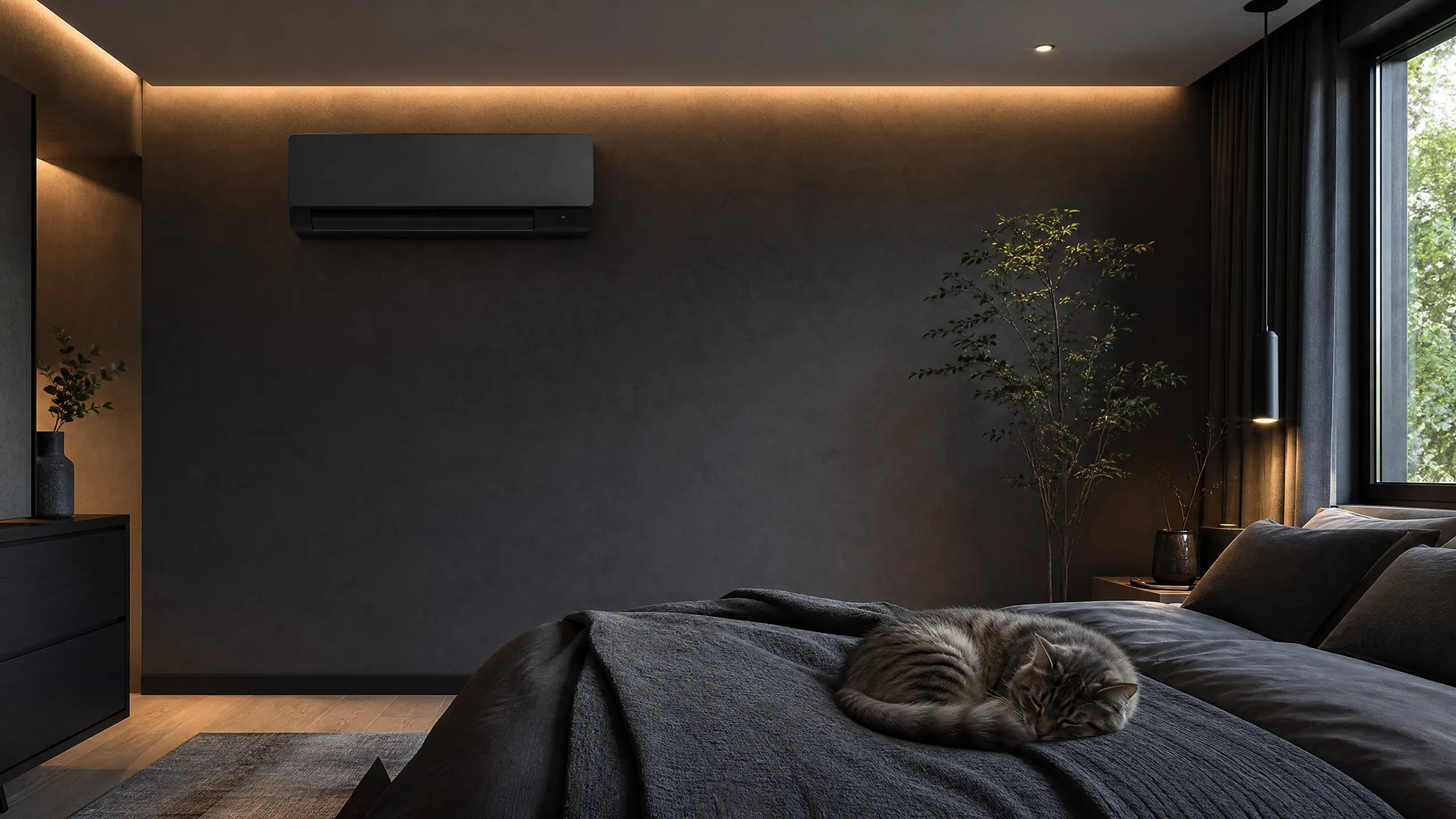
What a mini-split in Warwick has to handle
Winter nights here average 23°F, and a mini-split has to keep pulling heat out of that cold air from October through May, eight months of the year. Summer only asks for cooling in July and August, so most of the unit's work is heating, not cooling.
That's why the rating on the unit matters. Any mini-split heat pump built after January 1, 2023 has to meet 7.5 HSPF2 for heating and 14.3 SEER2 for cooling, and in a climate that leans this hard on heat, the heating side of that rating is the one doing the work most of the year.
- 8 months
- October through May, your system heats
- 2 months
- July through August, it cools
- 23°F
- the average winter night it heats against
- 80°F
- the average summer afternoon it cools against
NOAA nClimDiv, 1991–2020 normals
Rhode Island requires HVAC contractors to hold a state license.
The license is issued to the contractor, not to the job. Rhode Island's Department of Labor and Training is who issues it, and it covers the contractor generally, not this specific mini-split installation.
For the installation itself, the license is not the only thing that applies. In most cities and counties, an installation like this needs a permit from the local building office, along with an inspection once the work is done. That inspection is what checks the mini-split was installed correctly. The license is what says who was allowed to install it.
Source: Rhode Island General Assembly
- Is a mini split worth it?
- For most homes here, yes, especially if part of the house doesn't have ductwork or gets ignored by the main system. It heats and cools with one piece of equipment, so it earns its keep across the 8 months you need heat and the 2 months you need cooling. Your winter lows average 23°F, and a modern mini split is built to keep producing heat down into that range, which is worth checking against the specific unit's rating. Whether it's worth it for your house depends on the space, the layout, and what you're heating or cooling now, so a contractor should look at the job before you decide.
- How many rooms can a mini split cover?
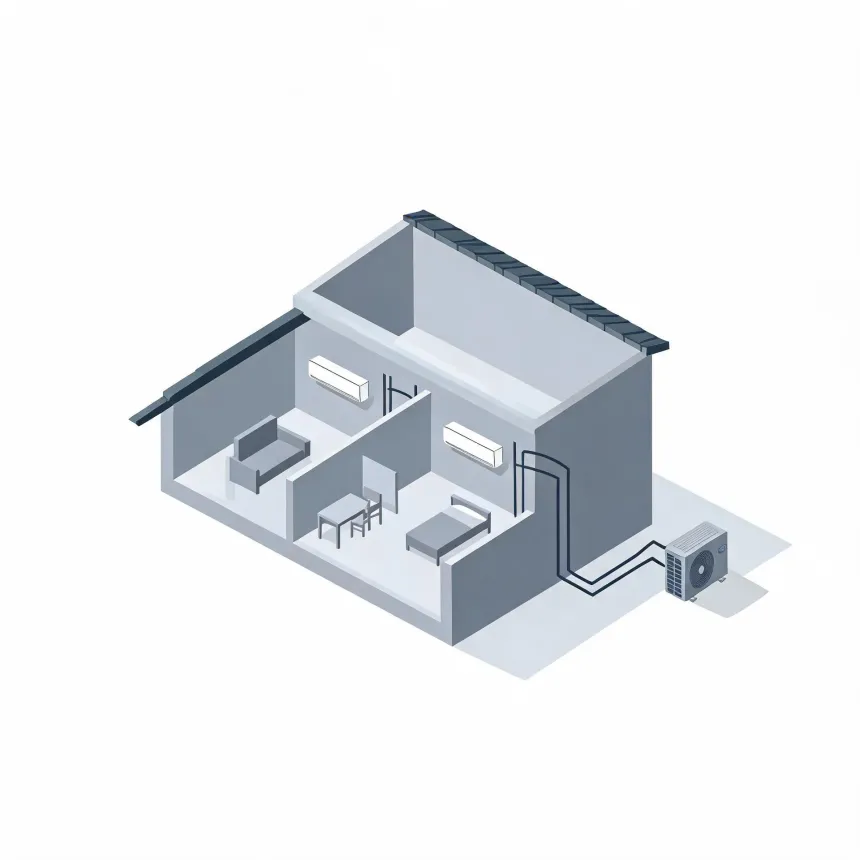
- A single outdoor unit can run anywhere from one indoor head to as many as eight, depending on the system. Each indoor head is sized to a room or a small group of open rooms, not the whole house at once. More heads means the outdoor unit has to be sized up to carry all of them at once. A contractor will size the system to the rooms you want covered, not the other way around.
- Can a mini split heat a whole house?
- It can, but only if the system is sized and laid out for that from the start. That means enough indoor heads placed in the rooms that need heat, and an outdoor unit sized to carry all of them on the coldest night, which matters here since winter lows average 23°F. A house with open rooms and few walls is easier to cover than one with many closed-off rooms down a hallway. A contractor can tell you after seeing the floor plan whether a whole-house layout will work or whether you'd be better off pairing it with your existing furnace.